Your 2027 Tech Budget Has a Hidden Cost: Memflation

Your 2027 Tech Budget Has a Hidden Cost: Memflation

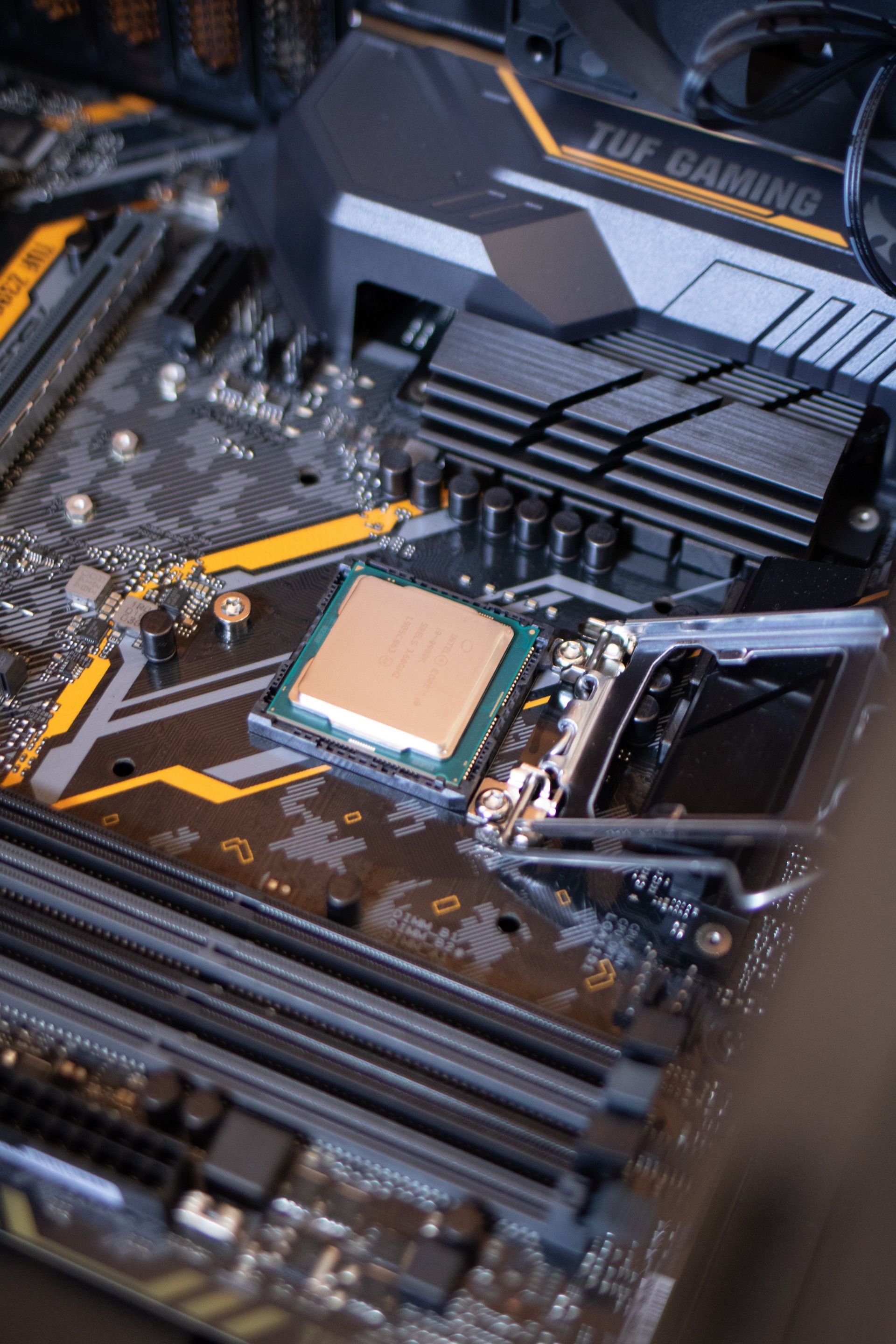
If you are planning hardware purchases for 2027, there is a cost pressure building that most businesses have not accounted for. Industry analysts call it "memflation": the sustained rise in memory and storage component prices driven by surging demand from AI workloads. DRAM and NAND flash costs have been climbing steadily, and the trajectory points upward through 2027.


Why This Matters

Memory and storage components are in everything your business buys. Servers, laptops, networking equipment, and storage arrays all depend on DRAM and NAND flash. When those component costs rise, the price of every piece of hardware goes up with them:


  • Servers and workstations with higher memory configurations will cost more in 2027 than they do today
  • Storage upgrades and expansions are getting more expensive as NAND flash prices climb
  • Networking equipment with built-in memory for caching and processing is not immune to these increases
  • Even routine device refreshes will carry a higher price tag than the same purchase made six months ago


The Opportunity for Business and IT Leaders

The businesses that recognize this trend early can take practical steps to protect their budgets. This is not about panic buying. It is about planning with the market in mind:


  • Accelerate planned hardware purchases that are already approved and budgeted for 2027
  • Lock in pricing with vendors now, before Q1 rate adjustments take effect
  • Evaluate whether leasing or subscription models offer more cost stability than outright purchases
  • Prioritize upgrades that will be hit hardest by component cost increases, like memory-intensive servers and high-capacity storage

How to Build Memflation Into Your Budget

Most 2027 budgets do not account for rising hardware costs at the component level. A few adjustments can make a meaningful difference:


  • Build a 10 to 15 percent buffer into hardware line items to absorb price increases
  • Talk to your vendors about forward pricing and volume commitments that can lock in current rates
  • Separate hardware refresh cycles from software and service renewals so each category gets the right budget treatment
  • Work with a technology partner who tracks these market shifts and can advise on timing

The Bottom Line

Memflation is real, and it is not going away in 2027. The organizations that factor it into their planning now will avoid sticker shock later. The ones that wait will pay more for the same hardware. Dedicated Telecom Group helps businesses plan infrastructure investments around market realities, not last year's assumptions.












By Joe Rivkin • November 24, 2026
Your Competitors Are Already Using AI to Cut Costs. Are You? AI is no longer a future investment. It is a present-day operational tool, and the businesses that have adopted it are already seeing results. From automated help desk triage to AI-driven network monitoring, companies across every industry are using artificial intelligence to reduce costs, speed up response times, and free their teams for higher-value work. The question heading into 2027 is no longer "should we adopt AI?" It is "how far behind are we?" Why This Matters The cost advantages of AI adoption compound over time. Organizations that started early are building on their gains while competitors are still evaluating vendors: AI-powered IT service desks can resolve common tickets automatically, reducing help desk volume and response times Automated network monitoring catches issues before they become outages, cutting downtime and the cost of emergency fixes AI-driven telecom expense management identifies billing errors, unused services, and optimization opportunities faster than manual audits Predictive maintenance tools flag hardware failures before they happen, reducing replacement costs and unplanned downtime The Opportunity for Business and IT Leaders You do not need to overhaul your entire operation to start benefiting from AI. The most effective approach is to identify specific, high-volume tasks where automation delivers immediate, measurable results: Start with IT help desk automation. Ticket triage, password resets, and common troubleshooting steps are ideal first candidates Deploy AI-driven monitoring for your network and infrastructure to reduce mean time to resolution Use AI tools to audit your telecom and software spending for hidden waste Automate routine vendor management tasks like contract tracking, renewal alerts, and rate benchmarking How to Get Started Before 2027 The best time to start is before budget season closes. A few focused steps can position your organization to realize AI-driven savings in Q1: Identify the three to five most repetitive, time-consuming tasks in your IT operations Evaluate AI tools that integrate with your existing platforms rather than requiring a full replacement Set clear metrics for success: ticket volume reduction, resolution time, cost savings, or uptime improvement Work with a partner who can recommend, implement, and support AI tools tailored to your environment The Bottom Line The gap between businesses that use AI and businesses that do not is widening every quarter. Heading into 2027, that gap will become harder to close. The good news is that getting started does not require a massive investment. It requires the right partner and the right starting point. That is exactly what Dedicated Telecom Group delivers.
By Joe Rivkin • November 24, 2026
AI Agents Are Coming for Your Network. Is It Ready? According to Gartner, agentic AI is the number one strategic technology trend for 2027. These are not chatbots or simple automations. AI agents are autonomous systems that can execute multi-step tasks, make decisions, and interact with other systems on their own. They are already showing up in IT operations, customer service, procurement, and supply chain management. And every one of them runs on your network. Why This Matters Most enterprise networks were designed for predictable traffic: employees logging in, accessing applications, and sending files. AI agents behave differently. They generate bursts of data at unpredictable intervals, make rapid API calls across systems, and can spin up new connections without warning: A single AI agent managing IT tickets might query your monitoring tools, your asset database, and your vendor portals in seconds Multiple agents running simultaneously can create bandwidth spikes that slow down everything else on the network Autonomous systems that authenticate and act on their own create new security surfaces that traditional firewalls were not built to handle The Opportunity for Business and IT Leaders Getting ahead of this trend does not require replacing your entire infrastructure. It starts with understanding where your network stands today and what it needs to support tomorrow: Run a bandwidth and latency assessment focused on the applications where AI agents will operate first Implement network segmentation so AI workloads do not compete with critical business traffic Update your security posture to monitor and govern what AI agents are doing on your network Work with a technology partner who understands how autonomous systems interact with enterprise infrastructure How to Prepare Before 2027 The organizations that act now will have a smoother transition when AI agents become standard. The ones that wait will find themselves troubleshooting performance issues, security gaps, and capacity bottlenecks under pressure: Audit your current network capacity and identify where the ceiling is Prioritize upgrades to switches, access points, and WAN connections that will carry AI traffic Establish governance policies for how AI agents authenticate, communicate, and escalate Partner with a team that can bridge the gap between your current network and where AI is taking you The Bottom Line AI agents are not a future concept. They are arriving now, and they will only accelerate in 2027. The question is not whether your business will use them. It is whether your network can handle them when they show up. That is the kind of readiness Dedicated Telecom Group helps you build.
By Joe Rivkin • October 27, 2026
The 2027 IT Spending Forecast Just Dropped. Here’s What It Means for Your Business According to Gartner, global IT spending is projected to reach $7.35 trillion in 2027, crossing the $7 trillion mark for the first time. That is a 15 percent increase over 2026. The growth is not spread evenly. AI infrastructure and software are absorbing most of the new investment, while hardware costs continue to rise. For mid-market businesses, the takeaway is simple: technology is getting more expensive, and planning early gives you leverage. Why This Matters These numbers are not just relevant to Fortune 500 companies. When enterprise spending surges, it creates pricing pressure across the entire supply chain. That affects every business: Hardware costs, especially memory and storage, are projected to keep rising through 2027 Software licensing is shifting toward subscription models with annual price escalators Cloud infrastructure demand is growing faster than providers can build capacity, which affects pricing and availability Competition for skilled IT talent continues to drive up managed services costs The Opportunity for Business and IT Leaders The organizations that come out ahead in a rising-cost environment are the ones that plan early. Waiting until Q1 to negotiate 2027 contracts puts you at a disadvantage: Lock in pricing on renewals and new agreements before year-end rate adjustments take effect Evaluate whether multi-year commitments make sense for stable services where pricing is only going up Prioritize investments in automation and AI tools that reduce operational costs over time Consolidate vendors where possible to increase your negotiating leverage How to Position Your 2027 Budget A well-positioned budget accounts for market trends, not just internal needs. Here is how to build one: Benchmark your current spending against industry averages to identify where you are over- or under-investing Build a 5 to 10 percent cost increase assumption into infrastructure and licensing line items Separate "keep the lights on" spending from strategic investment, and protect the strategic category Engage your technology partners now to understand what pricing changes they expect in Q1 The Bottom Line The direction of IT spending is clear: up and to the right. Businesses that build their 2027 budgets around this reality will be better positioned to negotiate, invest, and adapt. The ones that roll forward last year's numbers will fall behind. Dedicated Telecom Group helps organizations plan ahead, not catch up.
By Joe Rivkin • October 27, 2026
How Many Telecom Contracts Are You Actually Paying For? Ask most IT managers how many telecom contracts their company has and the answer is usually a guess. That is not a criticism. It is the reality of how telecom services accumulate over time. A new office gets its own provider. A department adopts a collaboration tool. A legacy PBX maintenance agreement keeps renewing because nobody remembers to cancel it. Why This Matters Telecom sprawl happens gradually, but the cost impact is real. Businesses often discover they are paying for services that overlap, lines that nobody uses, or contracts that locked in pricing from a completely different era: Phone lines for locations that have been consolidated or closed Multiple conferencing and collaboration platforms running in parallel across teams Maintenance agreements on hardware that has already been decommissioned Contracts that auto-renewed at rates negotiated years ago, before competitive alternatives existed The Opportunity for Business and IT Leaders A telecom audit does not require tearing everything down and starting over. It starts with visibility. Once you can see the full picture, the savings decisions become obvious: Map every active service, circuit, and platform to a business purpose and a responsible owner Identify where consolidation makes sense, especially when one unified platform can replace multiple point solutions Flag contracts approaching renewal so you can negotiate from a position of knowledge, not default Compare current pricing against market rates to see whether your existing agreements are still competitive How to Start a Telecom Audit Before Year-End Year-end is the ideal time because many contracts align with calendar-year terms. A few focused steps can make a significant difference: Request a full billing summary from every telecom provider and compare it against your service inventory Identify services with zero or minimal usage over the last 90 days Prioritize contracts with upcoming renewal dates for immediate renegotiation Work with a telecom advisor who can benchmark your rates and recommend consolidation paths The Bottom Line The money you recover from a telecom audit is money you can invest in the tools and infrastructure that actually drive your business forward. Most organizations are surprised by how much they find. That is exactly why Dedicated Telecom Group starts every engagement with a clear-eyed look at what you are already paying for.
By Joe Rivkin • October 27, 2026
Your IT Budget Is Due in 60 Days. Here’s Where Most Companies Waste Money Budget season is here, and most IT leaders are doing the same thing they did last year: rolling forward last year's numbers with a small increase. The problem is that last year's budget was probably wrong too. Hidden costs, unused services, and legacy contracts have a way of compounding quietly until someone finally takes a hard look. Why This Matters Technology spending grows every year, but not all of that growth is intentional. The costs that hurt most are the ones nobody is tracking: Software licenses that auto-renew for employees who left months ago Circuits and phone lines still billing for offices that have been closed or downsized Overlapping tools that do the same job because different departments bought them separately Maintenance contracts on equipment that has already been replaced The Opportunity for Business and IT Leaders The best time to audit your technology spend is before you set next year's budget. A structured review gives you leverage in vendor negotiations and frees up dollars for the investments that actually matter: Walk through every recurring charge and confirm it maps to something your team actively uses Consolidate overlapping tools where one platform can replace two or three Renegotiate contracts that were signed under different conditions or at higher volumes Redirect recovered budget toward strategic priorities like security, connectivity, or collaboration upgrades How to Run a Pre-Budget IT Audit You do not need a six-month consulting engagement. A focused review over a few weeks can surface real savings: Pull a full inventory of every active subscription, circuit, and contract across your organization Cross-reference that list against actual usage data and headcount Flag anything with no clear owner or no recent activity Bring the findings to your vendor conversations before renewal deadlines hit The Bottom Line A budget built on clean data is a budget that works harder. The companies that audit before they plan consistently find money they did not know they were losing. That is the kind of insight a trusted technology partner brings to the table. Dedicated Telecom Group helps organizations stop budgeting around waste and start budgeting around strategy.
By Joe Rivkin • September 29, 2026
Your Biggest Security Risk Isn't Your Software. It's Your People October is Cybersecurity Awareness Month, and the 2026 theme says it all: "Don't Make It Easy for Them." The most sophisticated firewall in the world cannot stop an employee from clicking a fake password reset link. And that single click can expose everything. Why This Matters Human error remains the most exploited vulnerability in business security. According to Verizon's 2026 Data Breach Investigations Report, the human element appears in 62% of all data breaches. That includes credential reuse, falling for phishing, and skipping security protocols under time pressure. AI-powered phishing emails are increasingly difficult to distinguish from legitimate messages A single compromised account can cascade into access across email, cloud storage, and internal systems Employees under pressure are more likely to click without verifying, and attackers know it Most organizations still rely on annual training that does not reflect how fast attack tactics evolve The Opportunity for Business and IT Leaders Security awareness training is one of the most cost-effective investments in cybersecurity. Organizations that take it seriously see real results: Phishing simulations build real-world recognition that no software update can replicate Regular training keeps teams current on evolving tactics like deepfake impersonation and AI-generated messages Clear reporting channels encourage employees to flag suspicious messages instead of ignoring them A security-aware culture turns every employee into a first line of defense How Organizations Can Build a Security-First Culture Technology protects systems. Training protects the people who use them. Here is how to start: Schedule quarterly phishing simulations and review results with your team Establish clear reporting channels so employees flag suspicious messages without hesitation Update training content to cover AI-powered social engineering and deepfake scenarios Make security awareness part of onboarding, not a once-a-year checkbox Don't Make It Easy for Them Attackers count on human nature: curiosity, urgency, trust. The best defense is a team that recognizes the tactics before they work. Investing in your people is investing in your security. That is the approach Dedicated Telecom Group brings to every client relationship.
By Joe Rivkin • September 29, 2026
AI Is Making Cyberattacks Smarter. Is Your Security Keeping Up? Artificial intelligence is changing cybersecurity on both sides of the equation. Attackers use it to craft phishing emails that sound like your CEO. Defenders use it to catch anomalies before they become breaches. The question for every business is which side is moving faster. Why This Matters AI-driven threats have escalated beyond what traditional security tools were designed to catch. Here is what that looks like in practice: Phishing emails generated by AI are personalized, grammatically polished, and increasingly difficult to distinguish from real messages Deepfake voice and video attacks are being used for business email compromise and executive impersonation Automated ransomware can select high-value targets and adapt to defenses without human intervention According to Gartner, global security spending is projected to surpass $244 billion in 2026, reflecting how seriously organizations are taking these evolving threats The Opportunity for Business and IT Leaders The same technology powering these attacks also strengthens your defense. Organizations that invest in AI-powered security tools gain a meaningful edge: Behavioral analysis detects unusual access patterns before credentials are fully compromised Automated response platforms can contain threats in seconds rather than hours AI-driven email filtering catches hyper-personalized phishing that rule-based filters miss Continuous monitoring scales protection without requiring additional headcount on your security team How Organizations Can Stay Ahead Waiting for a breach to modernize your security posture is the most expensive strategy. Here is where to start: Assess whether your current tools can detect AI-generated phishing and deepfake attempts Implement multi-factor authentication across every access point, not just email Run simulated attack exercises that include AI-powered threat scenarios Partner with a technology advisor who tracks the threat landscape for you Security Is a Moving Target The attackers are investing in AI. The only question is whether your defenses are keeping pace. Businesses that treat security as a one-time purchase fall behind. The ones that treat it as an ongoing strategy stay ahead. That is the kind of partnership Dedicated Telecom Group provides.
By Joe Rivkin • September 29, 2026
Is Microsoft Defender Enough to Protect Your Business? Microsoft Defender has come a long way. It comes bundled with Microsoft 365, it scores well in independent testing, and it gives every organization a solid security baseline at no extra cost. For many small teams, that baseline is a real advantage. But as a business grows, the question becomes: is that baseline enough on its own? Why This Matters Defender does a strong job covering the fundamentals. Where organizations run into gaps is when their environment outgrows what a single bundled tool was designed to handle: Ransomware rollback and advanced recovery tools are not included in every Microsoft plan Cross-platform coverage for Mac, Linux, and mobile devices varies by license tier Advanced email filtering and phishing protection may require separate Microsoft add-ons Centralized endpoint management across a mixed-device fleet can demand additional configuration The Opportunity for Business and IT Leaders For growing organizations, the decision is not "Defender or something else." It is whether layering additional tools on top of what Microsoft provides makes sense for your environment: Third-party platforms can consolidate VPN, password management, and endpoint detection into a single dashboard Some security vendors update threat databases on their own release cycle, adding a second layer of protection Multi-platform support ensures coverage across every device type, not just Windows Managed detection and response services add a human review layer to automated alerts How Organizations Can Evaluate Their Security Stack The right answer depends on your environment. Start with an honest assessment of what you already have: Audit which Microsoft security licenses your organization actually holds versus what you assume is included Map your device fleet to understand where your current coverage is strong and where gaps exist Evaluate whether layering Microsoft add-ons or consolidating with a third-party platform is more cost-effective Test your incident response process to identify where response times could improve The Bottom Line Microsoft Defender is a strong starting point, and for some organizations it may be all they need. But businesses with mixed device fleets, remote teams, or complex compliance requirements often benefit from layering additional tools on top of that foundation. The key is evaluating your stack against your actual risk profile, not your assumptions. That is what a trusted telecom and technology partner helps you do.
By Joe Rivkin • September 10, 2026
There's No Standard iPhone This Fall. Here's What That Means for Your Business Apple's "Surprise and Shine" event delivered a lineup that caught many businesses off guard. The iPhone 18 Pro starts at $1,199, the Pro Max at $1,299, and Apple's first foldable, the iPhone Duo, at $1,999. The real surprise? There is no standard iPhone 18 this fall. Apple's fall lineup is Pro, Pro Max, and Duo only. Companies planning a mid-tier refresh now face a choice: pay the Pro premium or wait until spring 2027. Why This Matters This changes the math on every device refresh conversation happening this quarter. Pre-orders open September 12, deliveries start arriving September 18, and carrier promotions are already live. IT leaders need to plan now, not after the dust settles. Key considerations include: The entry point for a new iPhone jumped to $1,199 with no mid-tier option available until spring 2027 AT&T and T-Mobile are both offering up to $1,200 in trade-in credits with qualifying devices during launch week Two separate pre-order windows (September 12 for iPhone 18 Pro, October 16 for iPhone Duo) create two planning cycles instead of one eSIM-only models deliver the best battery life (up to 45 hours on the Pro Max), which matters for fleet provisioning decisions The Opportunity for Business and IT Leaders The pricing gap between what's available now and what's coming in spring 2027 creates a window to evaluate the fleet deliberately rather than reactively. A structured approach enables organizations to: Identify which roles genuinely need Pro-tier capabilities now and which can wait for the standard model in spring Lock in carrier trade-in promotions during launch week when the offers are strongest Evaluate whether devices coming off contract right now hit the best upgrade math of the year Plan separately for the iPhone Duo as an executive-tier device, not a fleet device How Organizations Can Plan Around This Launch The absence of a standard model this fall isn't a problem if the refresh strategy accounts for it. A practical approach typically includes: Auditing the current fleet to determine which devices are approaching end of support or contract expiration Segmenting the organization into roles that need immediate Pro upgrades versus those that can hold for spring Engaging carrier reps now to lock in volume trade-in and upgrade pricing before launch-week promotions expire Setting a calendar for the October 16 iPhone Duo pre-order window if executive-tier devices are part of the conversation Plan the Refresh. Don't React to the Launch The organizations that save the most on device refreshes are the ones that planned for the announcement before it happened. When upgrade decisions are part of a strategy rather than a reaction, every dollar goes further. That's what a trusted technology partner helps you build.
By Joe Rivkin • September 1, 2026
Apple Business Manager Isn't Optional Anymore. Here's Why Most mid-market companies issue iPhones and iPads to their teams. Far fewer manage those devices properly. Apple Business Manager gives organizations centralized control over device enrollment, app distribution, and security policies. Yet many IT teams either don't use it or barely scratch the surface of what it offers. As device fleets grow and security requirements tighten, that gap becomes a liability. Why This Matters Without centralized device management, every iPhone and iPad in the organization is essentially operating independently. IT teams have limited visibility into what's installed, what's updated, and whether security policies are being followed. The result is a fleet of devices that looks managed but isn't. Common gaps include: Devices enrolled under personal Apple IDs instead of company-managed accounts No ability to remotely wipe or lock a device if it's lost or an employee leaves App distribution handled manually instead of through a managed deployment pipeline Security policies that vary by device because there's no centralized enforcement The Opportunity for Business and IT Leaders For IT leaders, Apple Business Manager is the foundation for turning a collection of individual devices into a managed, secure fleet. Organizations that implement ABM properly gain control without adding complexity for end users. A structured approach enables organizations to: Enroll devices automatically through zero-touch deployment so they arrive configured and ready Distribute and update business applications centrally without requiring action from each user Enforce security policies consistently across every device in the fleet Maintain a complete inventory of company devices with real-time status and compliance data How Organizations Can Get Started with Apple Business Manager Implementing Apple Business Manager doesn't require replacing devices or disrupting current workflows. It's a layer of management that sits on top of what's already in place. A practical approach typically includes: Registering the organization with Apple Business Manager and linking it to your MDM solution Migrating existing devices from personal Apple ID enrollment to managed enrollment Defining security policies for passcode requirements, encryption, and remote wipe capabilities Training IT staff on the ABM console and establishing processes for onboarding and offboarding devices Manage the Fleet, Not Just the Devices The difference between issuing devices and managing them is the difference between hoping security policies are followed and knowing they are. Apple Business Manager makes that possible at scale. That's what a trusted technology partner helps you implement.