How Dedicated Telecom Group Supports Multi-Site Business with Scalable Connectivity

How Dedicated Telecom Group Supports Multi-Site Businesses with Scalable Connectivity

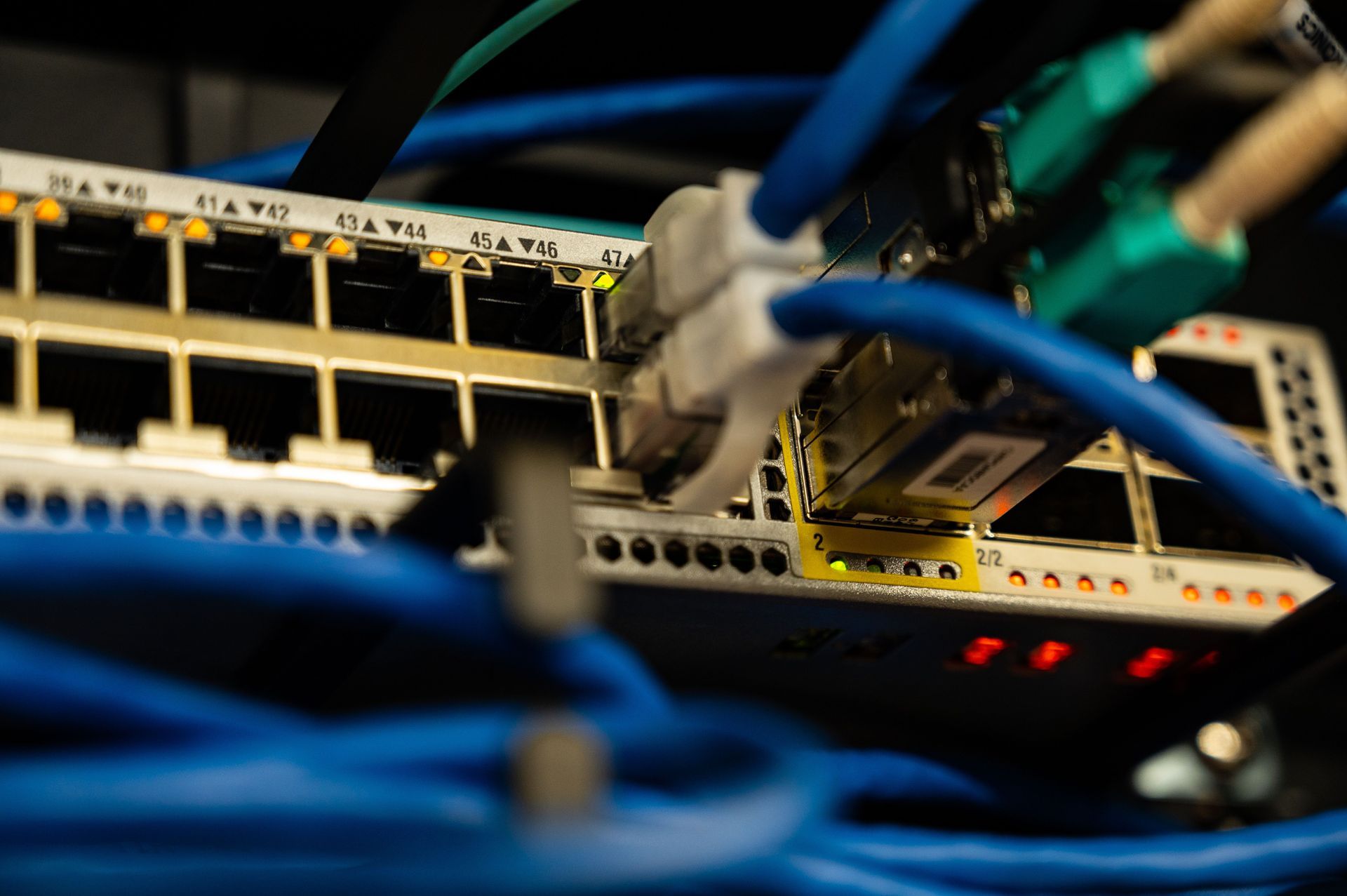
For businesses operating across multiple locations—regionally or nationwide—connectivity management can quickly become complex.

Different carriers, staggered installs, and varying performance levels all create operational challenges. Dedicated Telecom Group (DTG) specializes in simplifying this experience.


1. Standardized Connectivity Across All Locations
DTG builds a unified connectivity strategy to ensure service consistency and performance across every site.


2. Centralized Procurement & Project Management
DTG manages vendor communication, service orders, and implementation—reducing operational burden.


3. Scalable Service Options
DTG ensures each location has scalable bandwidth that can grow with usage or technology demands.


4. Faster Installations Through Carrier Partnerships
Direct carrier relationships offer customers smoother timelines and more accurate visibility.


5. Long-Term Support & Optimization
DTG assists with escalations, service adjustments, and proactive performance reviews.


Dedicated Telecom Group provides the expertise and coordination required to keep multi-site organizations connected and productive.


By Joe Rivkin February 2, 2026
What Proactive Telecom Management Looks Like in Practice Telecom environments rarely fail simultaneously. Issues tend to surface gradually, such as rising costs, inconsistent performance, delayed installs, or recurring outages that feel disconnected but share a common root. In many cases, the problem isn’t the technology itself. It’s the absence of proactive management. In today’s always-on, security-driven environment, telecom can’t be managed reactively. Connectivity underpins operations, security monitoring, and business continuity. When oversight occurs only after something breaks, organizations are left responding rather than leading. Why This Matters Reactive telecom management increases risk. Without ongoing visibility and coordination, environments become fragmented and difficult to control. Small issues compound into larger problems, often at the worst possible time. This typically results in: Delayed response to outages or performance issues Limited visibility into contracts, services, and usage Missed opportunities to optimize cost and reliability Increased pressure on IT and operations teams When management is reactive, organizations lose predictability, and predictability is essential to stability and security. The Opportunity for Business and IT Leaders Proactive telecom management shifts organizations from firefighting to foresight. With consistent oversight, leaders gain a clearer understanding of how connectivity supports business objectives and where adjustments are needed before issues escalate. A proactive approach enables organizations to: Anticipate challenges instead of reacting to them Maintain consistent performance across locations Reduce operational risk and unplanned disruption Align connectivity decisions with long-term goals The value isn’t just efficiency, it’s confidence. How Organizations Can Take a Proactive Approach to Telecom Management Organizations that manage telecom proactively focus on ongoing oversight rather than reacting when issues arise. Instead of treating connectivity as a set-and-forget function, they establish processes that provide visibility, coordination, and accountability over time. A proactive management approach often includes: Regularly reviewing connectivity performance and service health Coordinating across carriers, vendors, and technologies to reduce friction Managing changes, escalations, and optimization efforts in a structured way Maintaining clear ownership and accountability as environments evolve By shifting from reactive problem-solving to consistent oversight, organizations can reduce disruption, limit risk, and ensure connectivity continues to support business needs effectively. Management That Moves You Forward Proactive telecom management isn’t about constant change. It’s about consistent oversight, informed decisions, and reliable execution.
By Joe Rivkin February 2, 2026
Why Scalability Fails Without a Clear Connectivity Strategy Growth is often a sign of success. New locations, new users, new applications, and increased demand all point to a business moving forward. But growth also exposes weaknesses, especially in connectivity environments that weren’t designed for scalability. Without a clear connectivity strategy, scaling can quickly introduce complexity, performance issues, and risk. In today’s digital-first environment, scalability isn’t just about adding capacity. It’s about ensuring the network can grow without breaking what already works. Why This Matters Connectivity environments that evolve without strategy tend to expand unevenly. New services are layered on top of old ones, carriers are added to solve short-term needs, and oversight becomes fragmented. This often leads to: Inconsistent performance across locations Limited visibility into how services scale together Increased operational and security risk Slower response as complexity grows When networks aren’t intentionally designed to scale, growth creates friction rather than momentum. The Opportunity for Business and IT Leaders A clear connectivity strategy allows organizations to scale with confidence. When leaders understand how connectivity supports business objectives, growth becomes more predictable and manageable. With a scalable strategy in place, organizations can: Expand locations or users without disruption Maintain consistent performance and reliability Reduce complexity as environments grow Align connectivity investments with long-term goals Scalability works best when it’s planned, not improvised.  How Organizations Can Support Scalable Connectivity Organizations that scale successfully treat connectivity as a strategic foundation, not a reactive add-on. Rather than expanding services as needs arise, they establish a clear framework that supports growth over time. A scalable approach often includes: Assessing existing connectivity structures and identifying limitations early Designing network environments that align with long-term growth and security objectives Coordinating carriers and technologies to support consistent performance as scale increases Re-evaluating connectivity decisions as business needs evolve When scalability is guided by strategy, growth strengthens the network rather than straining it, allowing organizations to expand with greater confidence and control. Scaling with Confidence Scalability isn’t achieved by adding more services; it’s achieved through clarity and alignment. A clear connectivity strategy ensures that growth strengthens the business rather than strains it.
By Joe Rivkin February 2, 2026
The Hidden Risk of Fragmented Connectivity Environments Connectivity environments rarely start out fragmented. But over time, as organizations grow, add locations, adopt new technologies, or respond to short-term needs, fragmentation becomes the default. Different carriers. Different contracts. Different tools. Different owners. What often goes unnoticed is the risk this fragmentation creates. In today’s security-driven, always-on environment, connectivity isn’t just a utility; it’s foundational to performance, reliability, and protection. When that foundation is fractured, risk increases quietly but significantly. Why This Matters Fragmented connectivity environments limit visibility and control. Services are spread across vendors and platforms, making it difficult to understand how the network is actually performing or where vulnerabilities exist. This fragmentation often leads to: Limited insight into usage, performance, and spend Inconsistent service levels across locations Slower issue resolution when problems arise Increased exposure to security and operational risk When teams lack a clear, unified view of their connectivity, decisions become reactive. Issues are addressed after impact instead of being anticipated and prevented. The Opportunity for Business and IT Leaders Reducing fragmentation creates clarity. With a consolidated view of connectivity, leaders can align network performance with security goals, operational needs, and business priorities. A unified approach helps organizations: Understand how all services work together Identify risk and inefficiencies early Improve reliability across locations Make decisions based on insight, not assumptions The goal isn’t to replace everything at once; it’s to regain control and confidence. How Organizations Can Reduce Fragmentation and Regain Clarity Organizations that address fragmentation effectively start by seeking understanding before making changes. Rather than reacting to issues as they arise, they focus on creating structure and visibility across their connectivity environments. A more intentional approach often includes: Reviewing services, carriers, and performance across all locations Simplifying visibility into how connectivity is organized and managed Establishing clearer oversight to support more informed decisions Reducing complexity to improve reliability and limit operational risk By bringing fragmented environments into clearer focus, organizations can move from reactive troubleshooting to more confident, proactive management. Bringing Clarity Back to Connectivity Fragmentation isn’t just an operational challenge; it’s a strategic risk. Addressing it allows organizations to strengthen reliability, reduce exposure, and plan with confidence.
By Joe Rivkin February 2, 2026
Why Reliability Matters More Than Speed in Today’s Networks Speed often dominates conversations about connectivity. Faster networks promise productivity gains, better user experiences, and improved performance. But speed alone doesn’t determine whether a network truly supports the business. Today, connectivity underpins security, availability, and operational continuity. When networks are fast but unstable, organizations are left exposed. In a security-driven, always-on environment, reliability, not speed, is what leaders depend on most. Why This Matters As organizations adopt cloud platforms, support remote work, and rely on real-time systems, the cost of unreliable connectivity increases. Networks that fluctuate, fail, or lack resilience introduce risk well beyond momentary disruption. Common challenges include: Inconsistent performance across locations or providers Limited redundancy or unclear failover paths Connectivity gaps that weaken security monitoring Increased downtime when issues arise Without reliability, even the fastest networks can undermine trust and continuity. The Opportunity for Business and IT Leaders Reliable connectivity creates predictability. When performance is consistent, leaders can focus on optimization, security, and growth instead of troubleshooting. Prioritizing reliability helps organizations: Reduce operational disruption and downtime Strengthen security posture through consistent connectivity Support critical applications without interruption Plan confidently for growth and change Reliability shifts connectivity from a constant concern into a dependable foundation. How Organizations Can Build Reliability Into Their Networks Organizations that take reliability seriously look beyond speed and focus on how networks perform over time. A reliability-first mindset considers resilience, security, and consistency as core requirements, not afterthoughts. This approach often includes: Reviewing networks to identify risk, redundancy gaps, and failure points Aligning connectivity decisions with security and business priorities Working with trusted partners to ensure stable, predictable performance Maintaining ongoing visibility as environments grow and change Reliable networks aren’t defined by peak speed. They’re defined by consistent performance when it matters most. Connectivity You Can Count On Speed matters, but only when it’s supported by reliability. In today’s connected environment, the strongest networks are those built to perform consistently, adapt securely, and support business goals without disruption.
By Joe Rivkin January 6, 2026
What a Strategic Telecom Partner Actually Does As technology environments grow more complex, many organizations rely on multiple carriers, vendors, and service providers to keep operations running. Yet when challenges arise — rising costs, performance issues, or security concerns — it’s often unclear who owns the outcome. That’s where the difference between a vendor and a strategic telecom partner becomes clear. In today’s environment, where connectivity underpins cybersecurity, cloud access, and business continuity, organizations need more than transactional support. They need guidance, coordination, and accountability. Why This Distinction Matters Telecom decisions are rarely isolated. Changes to connectivity can impact security posture, user experience, compliance, and cost. When services are managed in silos, organizations face unnecessary complexity and risk. Common challenges include: Multiple vendors with no single point of accountability Limited visibility across services, contracts, and performance Reactive troubleshooting instead of proactive planning Decisions driven by short-term fixes rather than long-term goals Without a strategic partner, leaders are often left coordinating across providers while trying to balance competing priorities. The Opportunity for Business and IT Leaders A strategic telecom partner helps organizations move from managing vendors to managing outcomes. With the right partner, leaders gain clarity, consistency, and confidence in how connectivity supports the business. This approach enables organizations to: Align connectivity with security and operational priorities Simplify decision-making across vendors and technologies Reduce risk through proactive planning and visibility Build environments that support growth without added complexity The value isn’t just in execution — it’s in informed guidance. How Dedicated Telecom Group Helps Dedicated Telecom Group (DTG) serves as a trusted advisor and coordinator across complex telecom and connectivity environments. We focus on understanding first, then guiding decisions that align with business and security objectives. We support clients by: Coordinating across carriers and service providers Providing visibility into services, performance, and cost Supporting planning, optimization, and ongoing adjustments Our role is to simplify complexity and help leaders move forward with confidence. Partnerships That Drives Better Outcomes A strategic telecom partner doesn’t just manage services — they help organizations make better decisions over time. In an environment where connectivity is critical to trust and resilience, that partnership matters. At DTG, we believe clarity, accountability, and guidance are the foundation of strong connectivity strategies — and we’re committed to delivering all three.
By Joe Rivkin January 6, 2026
Why Cost Optimization Fails When It’s Reactive Cost optimization is often treated as a response to pressure. Budgets tighten, expenses rise, or performance issues surface — and organizations move quickly to cut spend. In telecom and connectivity, that urgency frequently leads to short-term fixes that create long-term complexity. In today’s environment, where connectivity supports cybersecurity, cloud access, and daily operations, reactive decisions can introduce risk. Sustainable optimization requires intention, not urgency. Why Reactive Optimization Falls Short When cost reduction is driven by immediacy rather than insight, decisions are often made without full visibility into the environment. Common reactive patterns include: Switching carriers without understanding existing contracts or usage Eliminating services without assessing operational or security impact Layering new solutions on top of existing ones to address short-term gaps Focusing on discounts instead of long-term alignment These actions may deliver temporary savings, but they often increase fragmentation, reduce resilience, and make future decisions more difficult. The Opportunity for Business and IT Leaders Proactive cost optimization starts with clarity. When leaders understand how services are used, how contracts align with needs, and where dependencies exist, cost decisions become more strategic. With a proactive approach, organizations can: Reduce spend without compromising performance or security Align connectivity investments with business priorities Avoid disruption caused by rushed changes Build a cost structure that supports growth over time The goal isn’t to delay optimization — it’s to do it with purpose. How Dedicated Telecom Group Helps Dedicated Telecom Group (DTG) helps organizations move from reactive cost cutting to informed optimization. We focus on understanding the full environment before recommending change. We support clients by: Assessing services, contracts, and usage across providers Identifying inefficiencies and misalignment early Guiding decisions that balance cost, performance, and risk As a trusted partner, DTG helps leaders take a measured approach that delivers lasting value. Optimization That Holds Up Over Time Cost optimization works best when it’s deliberate. Reactive decisions may feel necessary in the moment, but they often shift problems rather than solve them. At DTG, we believe clarity enables better choices. When organizations optimize with insight instead of urgency, they build stronger, more resilient environments — and avoid repeating the same challenges year after year.
By Joe Rivkin January 5, 2026
You Can’t Optimize What You Can’t See Organizations are under constant pressure to reduce costs, strengthen security, and improve performance. In response, many jump straight to optimization — cutting spend, switching providers, or adding new tools. But without clear visibility, those efforts often miss the mark. In today’s environment, where connectivity underpins cybersecurity, cloud access, and daily operations, optimization without insight introduces risk. Real progress starts with understanding what’s already in place. Why Visibility Matters Over time, telecom and connectivity environments become increasingly complex. Services are added, contracts renew automatically, and multiple vendors are introduced to meet evolving needs. As complexity grows, visibility often fades. Common challenges we see include: Limited insight into active services and true usage Inconsistent billing and unclear cost ownership Performance issues without a clear root cause Security exposure tied to unmanaged or forgotten connections When leaders lack a clear picture, decisions are made based on assumptions — and optimization becomes reactive instead of strategic. The Opportunity for Business and IT Leaders Visibility changes the conversation. When organizations understand their full environment, they gain the ability to prioritize effectively and act with confidence. With greater clarity, leaders can: Identify inefficiencies before they impact budgets Align connectivity with security and operational goals Reduce unnecessary complexity across vendors and services Make informed decisions that support long-term planning Optimization becomes more deliberate — and more sustainable. How Dedicated Telecom Group Helps Dedicated Telecom Group (DTG) helps organizations create visibility across complex telecom and connectivity environments. We focus on understanding first, so optimization is grounded in insight, not urgency. We support clients by: Reviewing services, contracts, and performance across providers Centralizing visibility into usage, cost, and dependencies Acting as a trusted partner to guide clear, informed decisions Our role is to simplify complexity and help leaders move forward with confidence. A Clear View Comes First Effective optimization doesn’t start with change — it starts with clarity. Without visibility, even well-intentioned decisions can introduce new challenges. At DTG, we believe seeing the full picture is the foundation for smarter choices, stronger security, and better outcomes. When leaders can see clearly, optimization follows naturally. 
By Joe Rivkin January 5, 2026
Why the Start of the Year Is the Best Time to Reassess Telecom and Connectivity The start of the year is one of the few moments when organizations can pause and reassess. Budgets reset. Priorities sharpen. Leaders look for ways to reduce risk and improve efficiency. Yet telecom and connectivity are often carried forward without review — until an issue forces action. Today, connectivity is more than infrastructure. It underpins security, performance, and operational reliability. That’s why the beginning of the year is the right time to ensure your telecom environment reflects how your business actually operates. Why This Matters Over time, telecom environments become layered and fragmented. New services are added, contracts renew automatically, and legacy decisions remain in place. This often leads to: Limited visibility into services, usage, and spend Overlapping or underutilized connectivity Contracts that no longer align with business needs Increased complexity that introduces risk Without clarity, leaders are forced into reactive decisions later in the year. The Opportunity for Business and IT Leaders A year-start review shifts organizations from reaction to intention. With visibility, leaders can align connectivity with security objectives, operational needs, and growth plans. A reassessment helps organizations: Understand what’s in place today Identify misalignment early Reduce unnecessary complexity Make more confident decisions throughout the year The goal isn’t immediate change — it’s informed planning. How Dedicated Telecom Group Helps Dedicated Telecom Group (DTG) helps organizations bring clarity to complex telecom environments by focusing on understanding before optimization. We support clients by: Assessing services, contracts, and performance Simplifying visibility across carriers and technologies Acting as a trusted partner to guide confident decisions Starting the Year with Confidence. The strongest technology strategies begin with clarity. Reassessing telecom and connectivity at the start of the year helps organizations reduce risk, control costs, and plan with confidence. At DTG, we believe visibility builds trust — and trust drives better outcomes. 
December 29, 2025
Telecom infrastructure sits at the center of modern business operations — and increasingly, at the center of cybersecurity risk.
December 8, 2025
With businesses increasingly dependent on cloud platforms, real-time applications, and video collaboration, the difference between Dedicated Internet Access (DIA) and shared connectivity is becoming more apparent.